
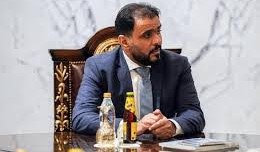
Las autoridades libias de Benghazi ponen fin al bloqueo de campos petroleros tras el acuerdo sobre el Banco Central
Osama Hammad agregó que la medida “va en favor del interés público”
EDDC.NET / Adeje
Las autoridades asentadas en Benghazi anunciaron el fin de los bloqueos a los campos petrolíferos impuestos en medio de la disputa en torno al Banco Central libio, respuesta tras un acuerdo entre los gobiernos para nombrar al nuevo gobernador del organismo.
Osama Hammad, ha recalcado que la retirada de los bloqueos implicó la reanudación de las operaciones de producción y exportación del petróleo y ha agregado que la medida “va en favor del interés público”.
Por su parte, la Corporación Nacional del Petróleo (NOC) ha publicado un breve comunicado en el que anuncia "la retirada de la fuerza mayor en todos los campos petroleros y terminales petroleras de Libia, efectiva desde el 3 de octubre de 2024".
Los bloqueos fueron impuestos en protesta por el antiguo gobernador del Banco Central, que desató una nueva crisis institucional en Libia. La Cámara de Representantes de Libia, el Parlamento con sede en el este del país, aprobó el nombramiento de Muhamad Nayi Isa como nuevo gobernador del Banco Central, allanando el camino para poner fin a la crisis en torno al organismo.
English version
Libyan authorities in Benghazi end blockade of oil fields after the agreement on the Central Bank
Osama Hammad added that the measure “is in the public interest”
The authorities based in Benghazi announced the end of the blockades on oil fields imposed in the midst of the dispute over the Libyan Central Bank, in response to an agreement between the governments to appoint the new governor of the organization.
Osama Hammad has stressed that the withdrawal of the blockades implied the resumption of oil production and export operations and added that the measure “is in favor of the public interest.”
For its part, the National Oil Corporation (NOC) has published a brief statement announcing "the withdrawal of force majeure in all oil fields and oil terminals in Libya, effective from October 3, 2024."
The blockades were imposed in protest by the former governor of the Central Bank, which unleashed a new institutional crisis in Libya. The House of Representatives of Libya, the Parliament based in the east of the country, approved the appointment of Muhamad Nayi Isa as the new governor of the Central Bank, paving the way to end the crisis around the organization.
