
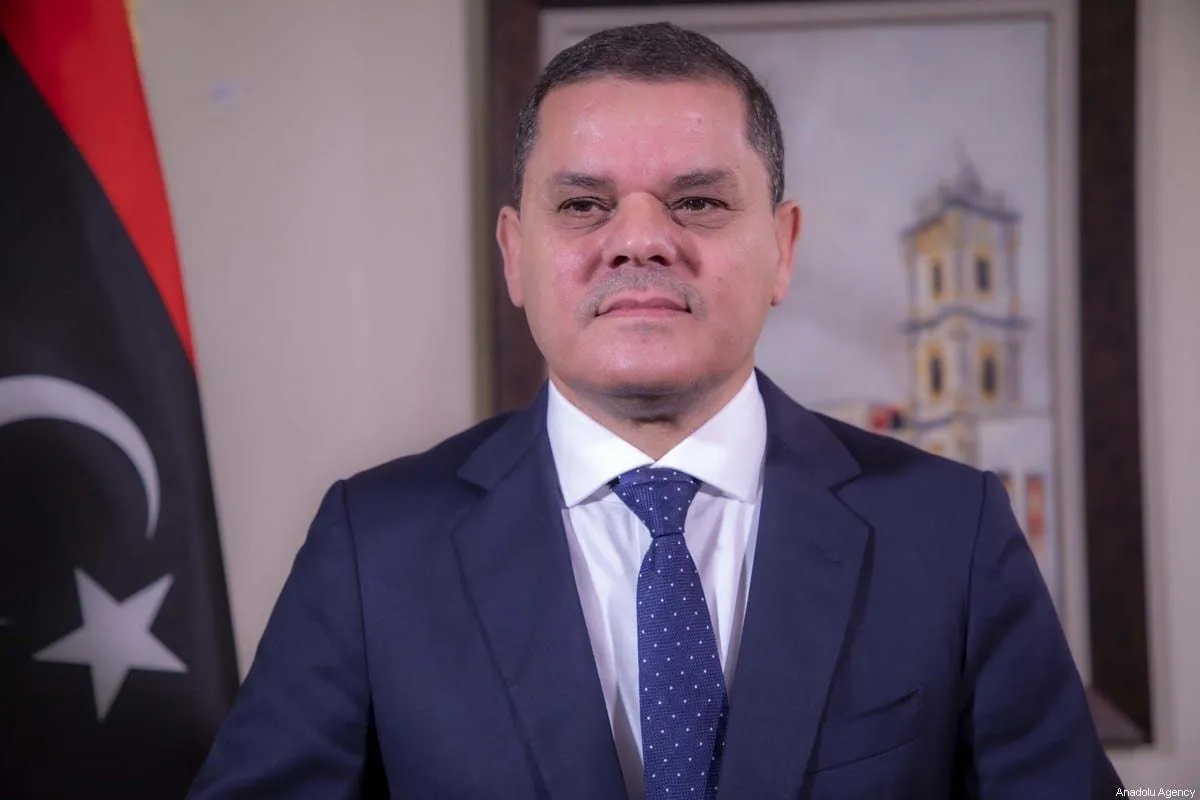
Dbeibah envía una delegación a Níger para contrarrestar Creciente cooperación entre Haftar y el consejo militar.
Según se informa, esta cooperación encuentra puntos en común en Moscú
EDDC.NET / Adeje
Un informe de la agencia italiana "Nova" revela que el primer ministro Abdul Hamid Dbeibah envió una delegación a Niamey, capital de Níger, en un esfuerzo por frenar la creciente cooperación entre el consejo militar gobernante de Níger y Khalifa Haftar.
El sitio web destaca cómo Haftar busca vínculos más estrechos con los líderes del consejo militar de Níger, enviando múltiples delegaciones a Niamey y ofreciendo apoyo militar al ejército nigerino.
Se dice que esta cooperación encuentra puntos en común en Moscú, donde se cree que el emergente "Cuerpo Africano" ruso en África asumirá el papel que antes desempeñaba el semimilitar Grupo Wagner.
Según fuentes citadas por Nova, Dbeibah expresó su preocupación por el eje Bengasi-Niamey y las está abordando mediante el compromiso con los líderes nigerinos.
El informe también arroja luz sobre las complejidades geopolíticas de la región y subraya la importancia estratégica de la creciente cooperación entre el consejo militar de Níger y Haftar.
La medida de Dbeibah demuestra el enfoque proactivo de su gobierno para salvaguardar los intereses nacionales de Libia y asegurar sus fronteras, señaló el editor.
English version
Dbeibah sends delegation to Niger to counter growing Haftar-military council cooperation
This cooperation reportedly finds common ground in Moscow, where the emerging Russian "African Corps" in Africa
A report by the Italian agency "Nova" has revealed that Prime Minister Abdul Hamid Dbeibah dispatched a delegation to Niamey, the capital of Niger, in efforts to curtail the increasing cooperation between the ruling military council of Niger and Khalifa Haftar.
The website highlights how Haftar is seeking closer ties with the leaders of Niger's military council, sending multiple delegations to Niamey and offering military support to the Nigerien army.
This cooperation reportedly finds common ground in Moscow, where the emerging Russian "African Corps" in Africa is believed to take on the role previously played by the semi-military Wagner Group.
According to sources cited by Nova, Dbeibah expressed concerns about the Benghazi-Niamey axis and is addressing them through engagement with Nigerien leaders.
The report also sheds light on the geopolitical complexities of the region and underscores the strategic significance of the growing cooperation between the military council of Niger and Haftar.
The move by Dbeibah demonstrates his government's proactive approach to safeguarding Libya's national interests and securing its borders, the publisher noted.
